
My Path to Becoming a Cave Explorer
This, or something like it, is how scientific caving can begin for someone interested in caves.
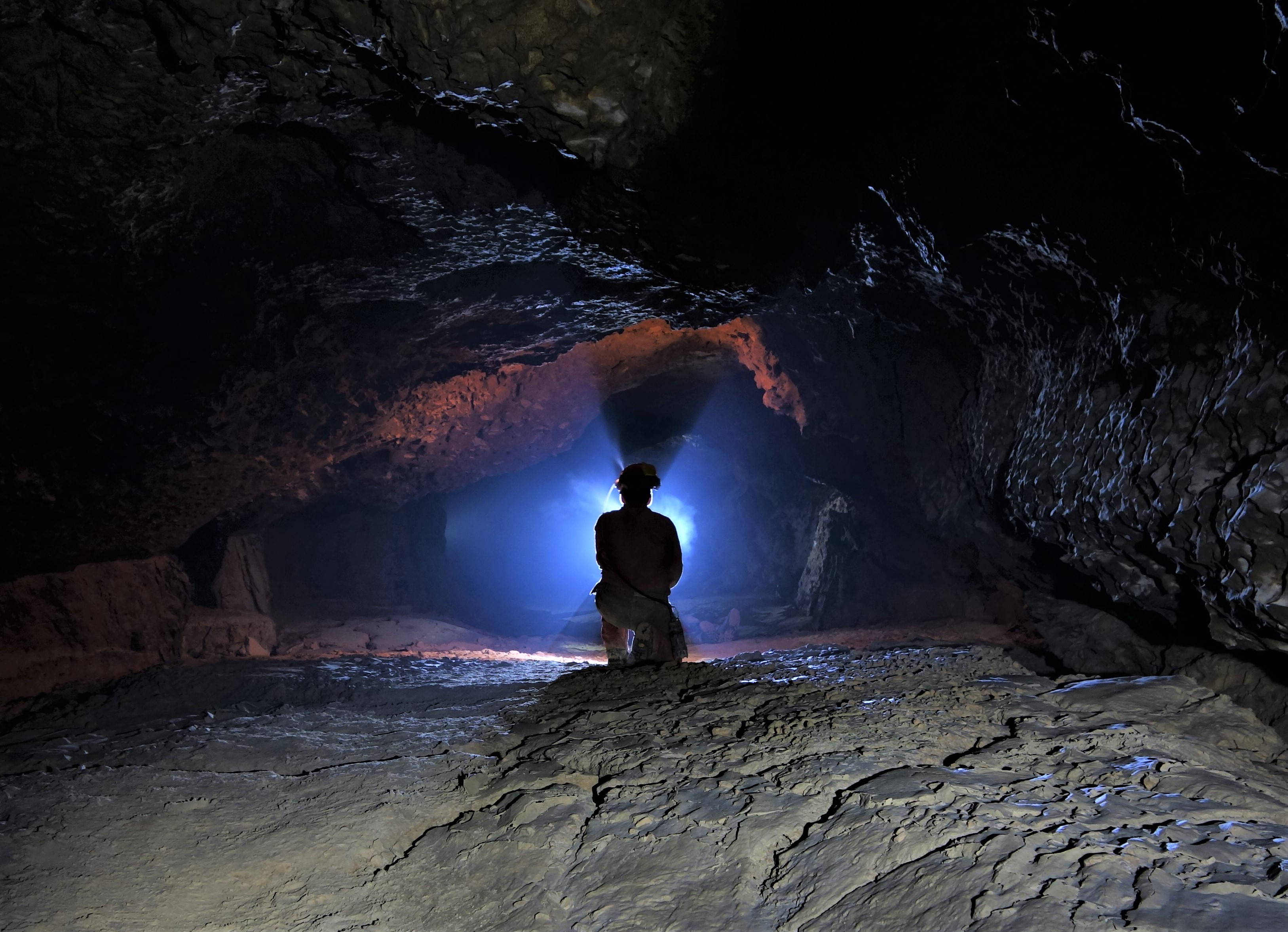
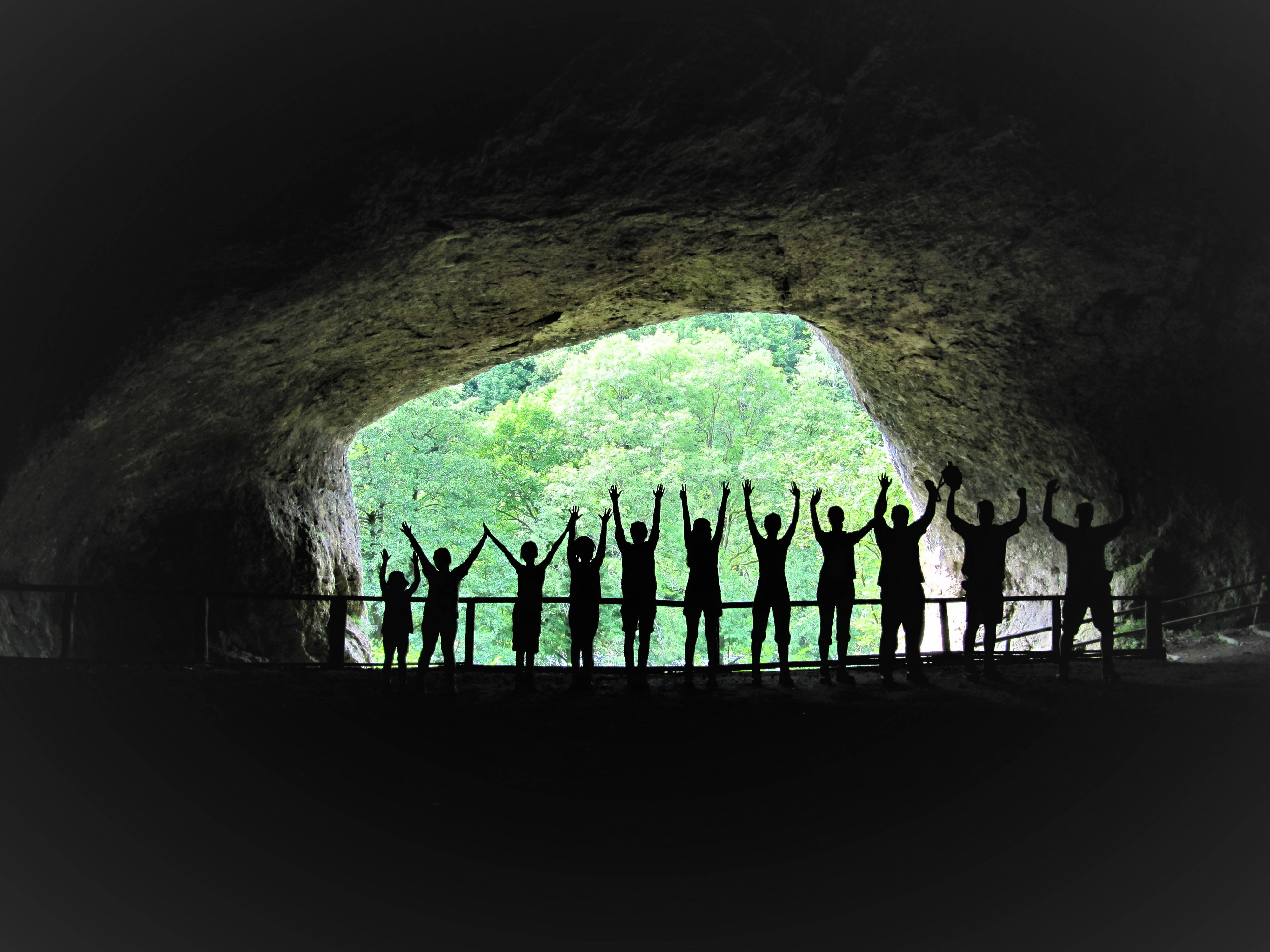
I wanted to come back, of course, but not alone. The next step was to look for like-minded people and, if possible, experienced cave companions. I eventually found them in a caving club near me.
In such a club, you will usually find not only experienced people who know the techniques and can show you everything, but also people who can introduce you to the scientific background of the phenomenon of the cave.
From a geological point of view, most caves in the world are so-called karst caves. They form in carbonate rocks such as limestone or gypsum through dissolution processes. Ordinary rainwater absorbs carbon dioxide as it passes through the atmosphere, becoming a very weak acid, and acid dissolves limestone.
Once the originally small fissures have been enlarged by corrosion, erosion begins as well: flowing water, carrying sediment, can create underground river systems and large accessible cavities.
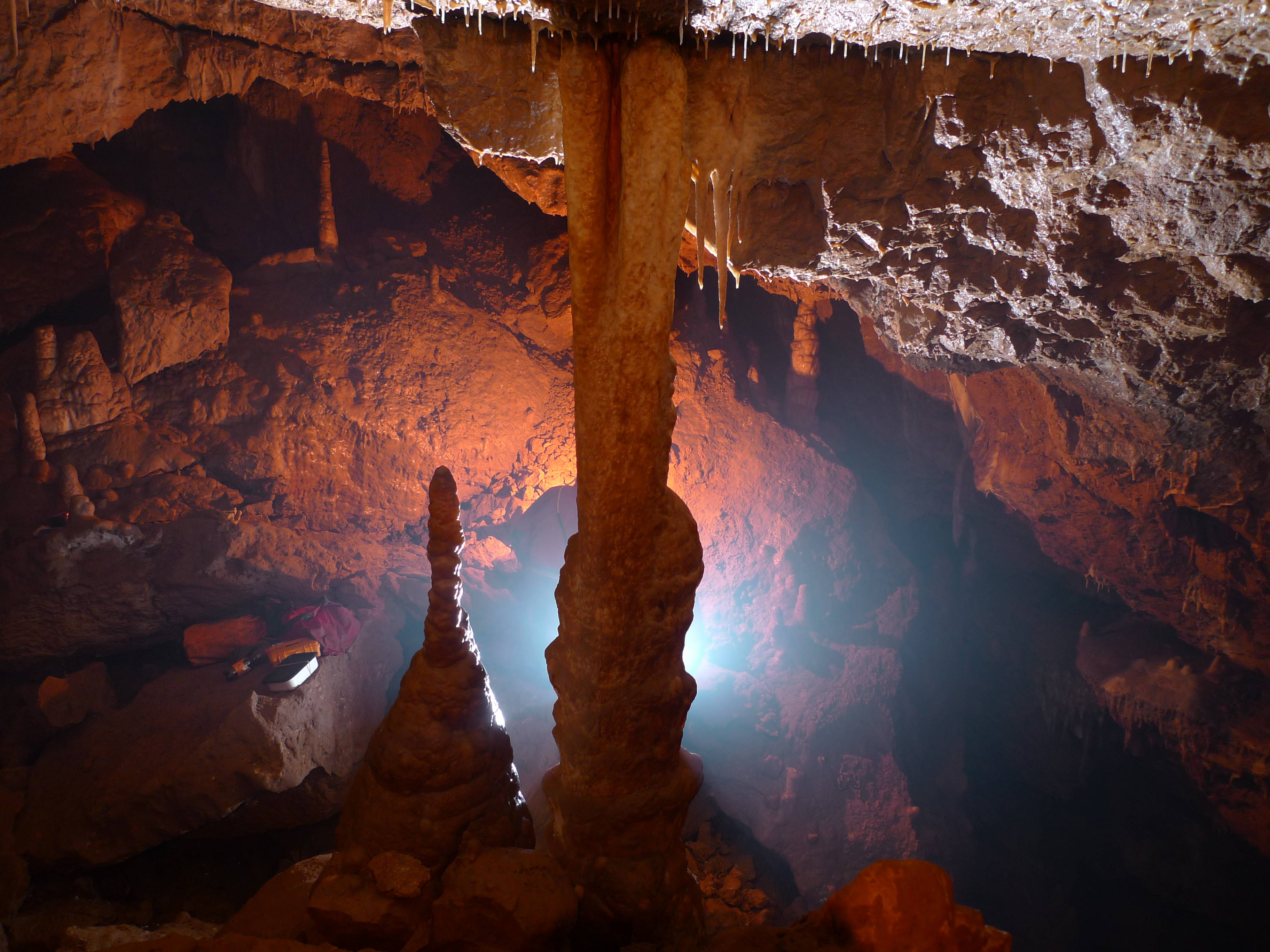
If this process continues for tens of thousands of years and our caves are very old, gigantic chambers and huge passages can develop.
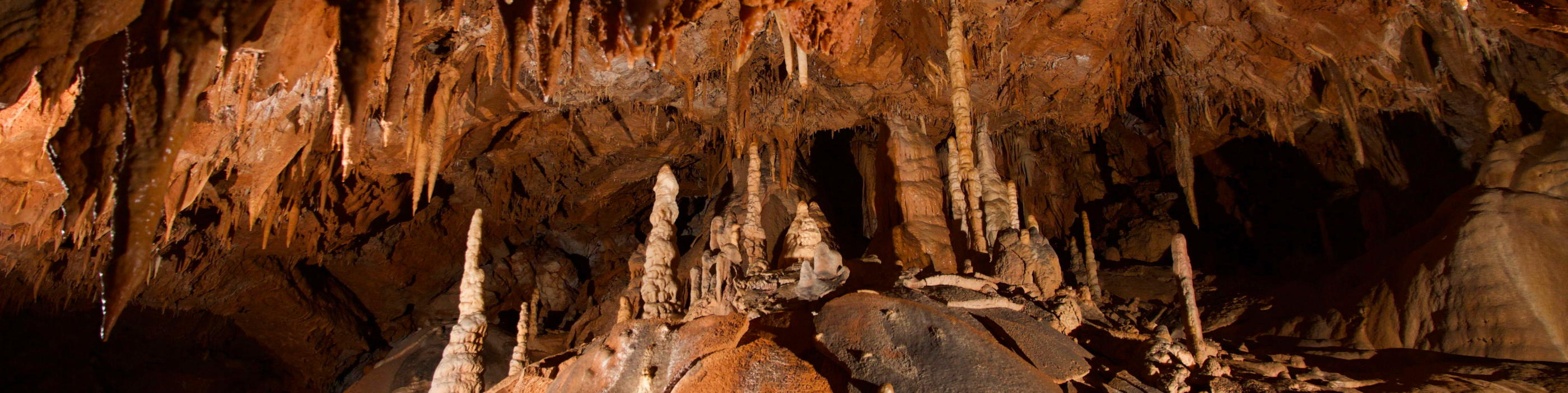
(The formation of stalactites and stalagmites works in exactly the opposite way: water dripping from the cave ceiling leaves behind traces of lime, which over long periods form bizarre and beautiful structures.)
But caves are not only of interest to geologists. They are also rich fields of research for hydrology, biology, archaeology, climate research, and palaeoanthropology.
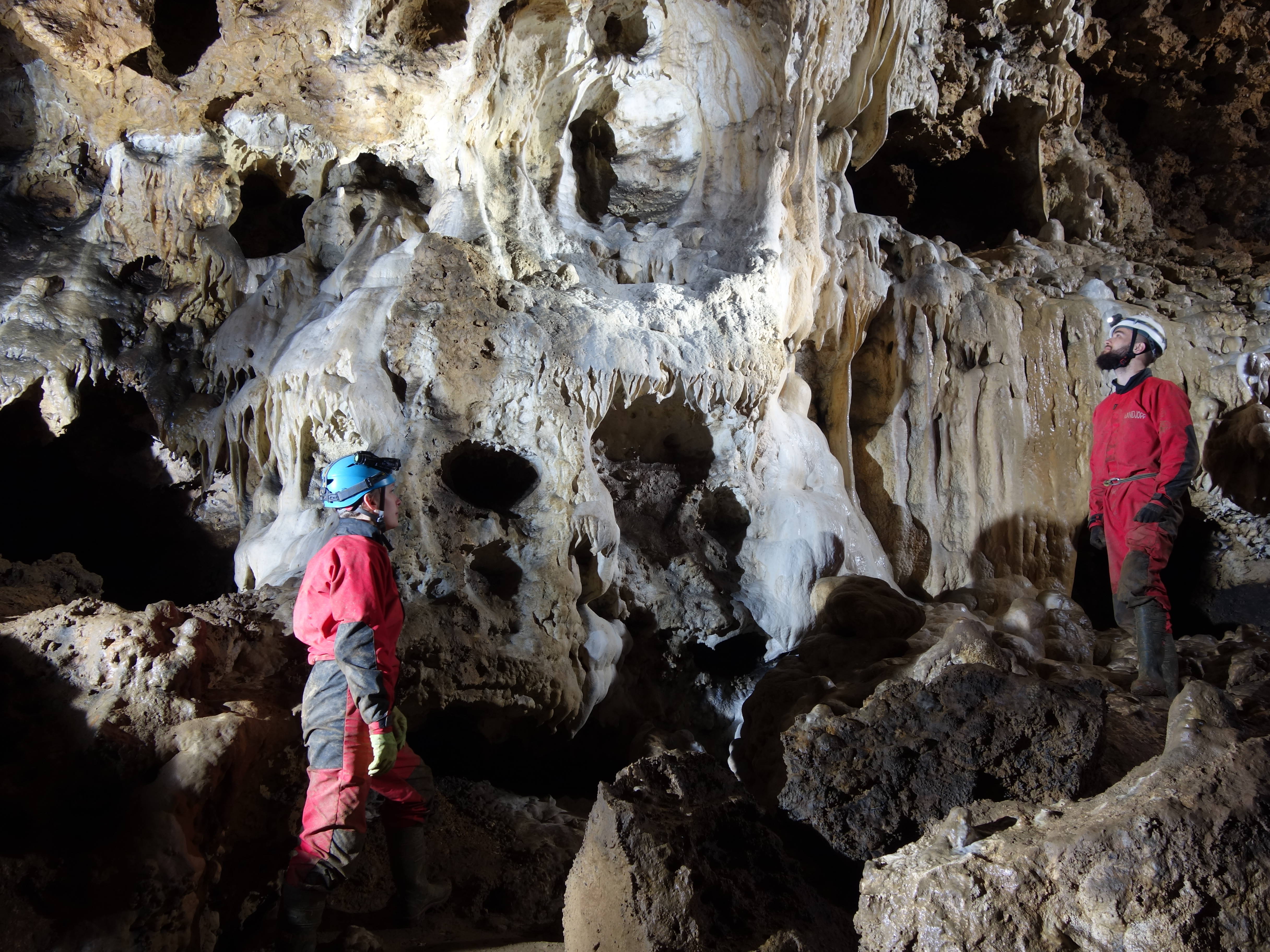
A caving club is not only concerned with research in and around caves; it is also committed to protecting this unique and sensitive underground world. There is an old saying, still valid today, that every cave explorer should follow:
TAKE NOTHING, LEAVE NOTHING, KILL NOTHING.
If you have been in a club for a while and have taken part in discovering new territory, you may eventually want to discover a cave yourself that no human has ever entered before.
You can get information about such opportunities either from other club members or by asking the club's cave registry keepers. These people maintain a register of already known and perhaps explored caves and can tell you where there may still be new ground or gaps in the registry.
Once you have chosen a promising area, you can get started. You take at least two companions with you and head into the area.
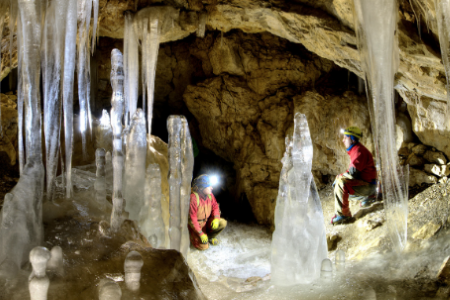
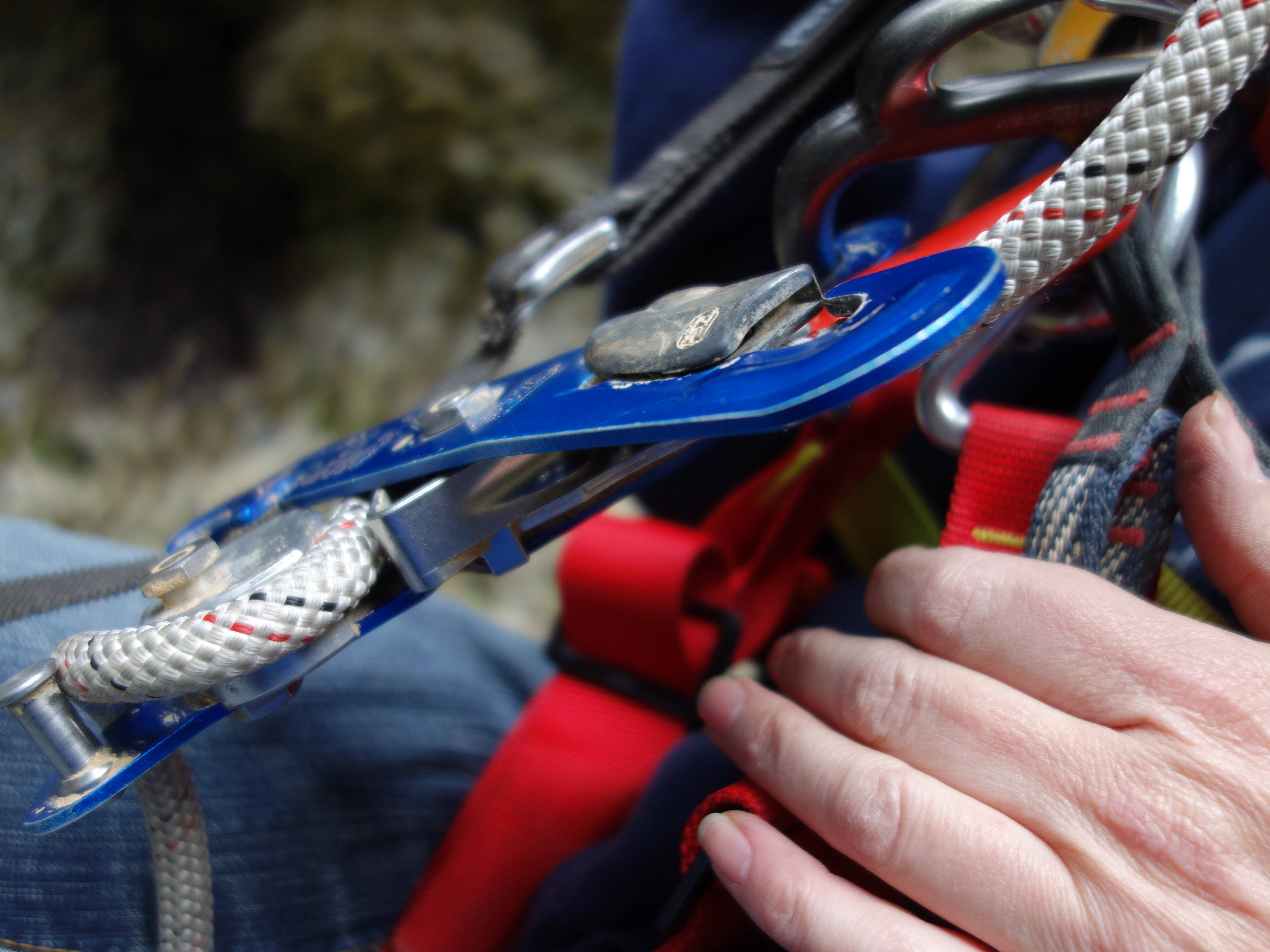
Naturally, you are well equipped with your personal cave gear: oversuit, helmet with lamp, climbing harness, and whatever else is needed, ideally also drawing equipment and cave surveying gear. This also requires proper instruction, but you will get that from experienced club members. Best of all is if you have already joined a few trips as a surveying assistant.
Think through a systematic approach for covering the area so that you do not check the same place twice. Let us assume that on the very first day you are successful and discover a cave. There is no plaque with a number at the entrance, no cairn, and no signs of previous visits such as abseiling gear. These would be clues that the cave had already been discovered and perhaps even explored.
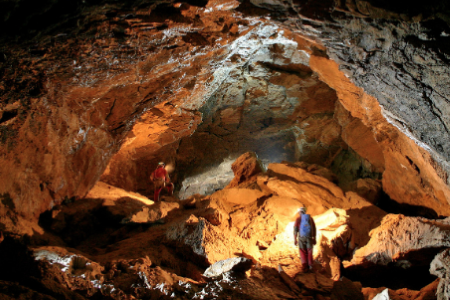
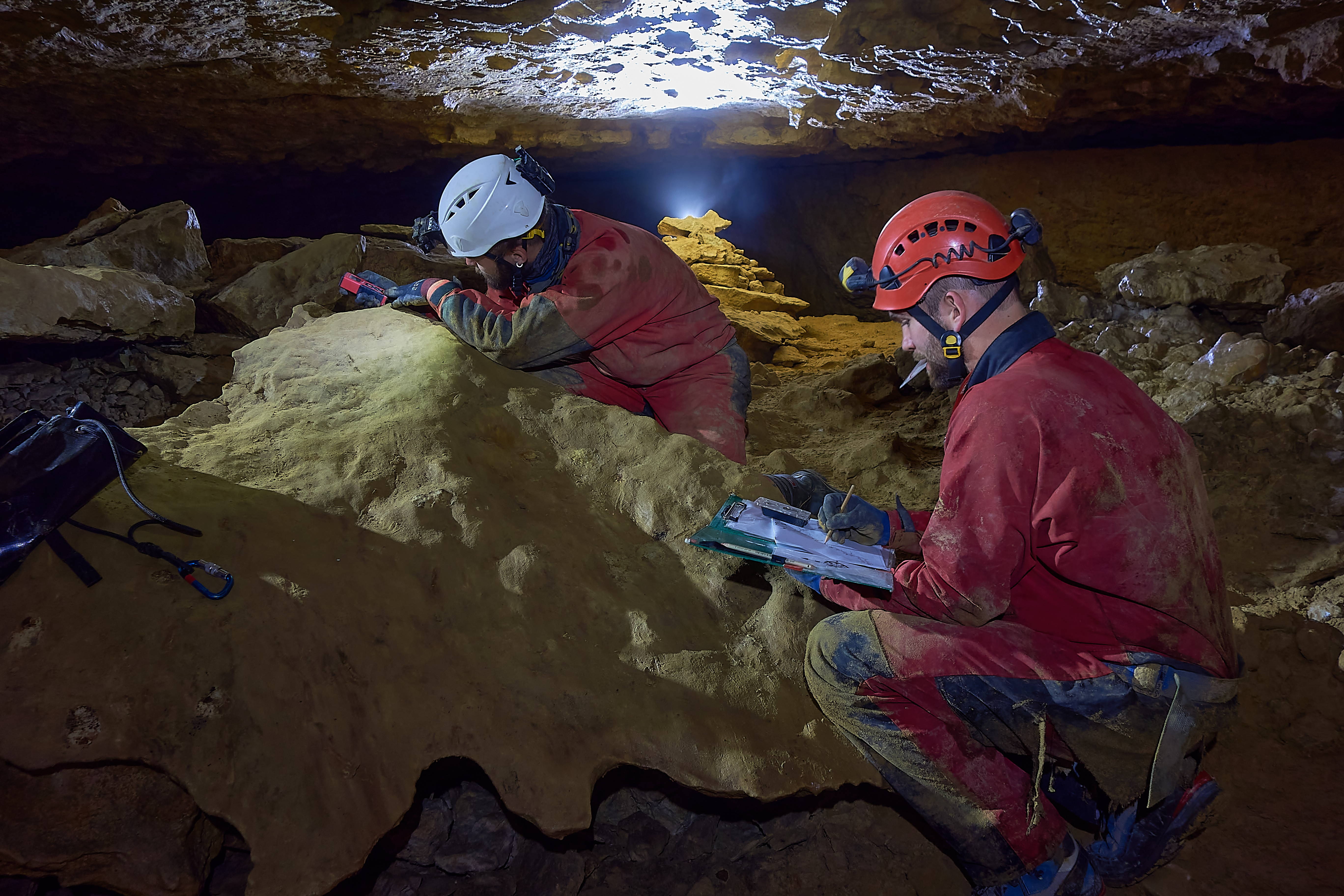
Now the equipment is put on and the tackle bag is packed with everything needed. Off you go into the darkness. You look around, document the cave with photos, and finally with surveying instruments. The first survey legs are laid out and the first drawings of the surroundings are put on paper.
But time is now actually getting short, your stomach is growling, you may want to eat something, darkness may already have fallen, or the last train down the mountain may be leaving soon. All good reasons why today cannot continue further. You are simply not finished yet. But as a sign that you were there, you build a small cairn.
On your way home, you are proud of everything you accomplished today. A good feeling.
The next day you contact the registry keeper and report what you found. And indeed, nothing is in the cave register. You have discovered new territory.
Of course, things can also turn out differently: even if there were no visible signs that the cave had already been discovered, a map may already exist. But was everything explored? Perhaps not.
Now you and your friends continue the work. The cave is surveyed, drawn, photographed, and documented. The cave becomes longer because you reached a point where your predecessors turned back. Perhaps you find things they did not find and puzzle over the structure of the formations in front of you.
A geologist or biologist might know more. You ask around in the club whether someone can help. There is indeed such a person, and they come along next time. They explain the unknown to you, perhaps take samples, and analyse them.
Things may also go differently and on your chosen day you may discover nothing new. But the area is large enough, and you come back the next weekend. It can also happen that you cover the entire area and find nothing at all. Even then, that should not keep you from continuing and perhaps trying again in another area.
If cave and karst research interests you, if you remain curious, and if you enjoy being active in nature and underground, you will stay with it.